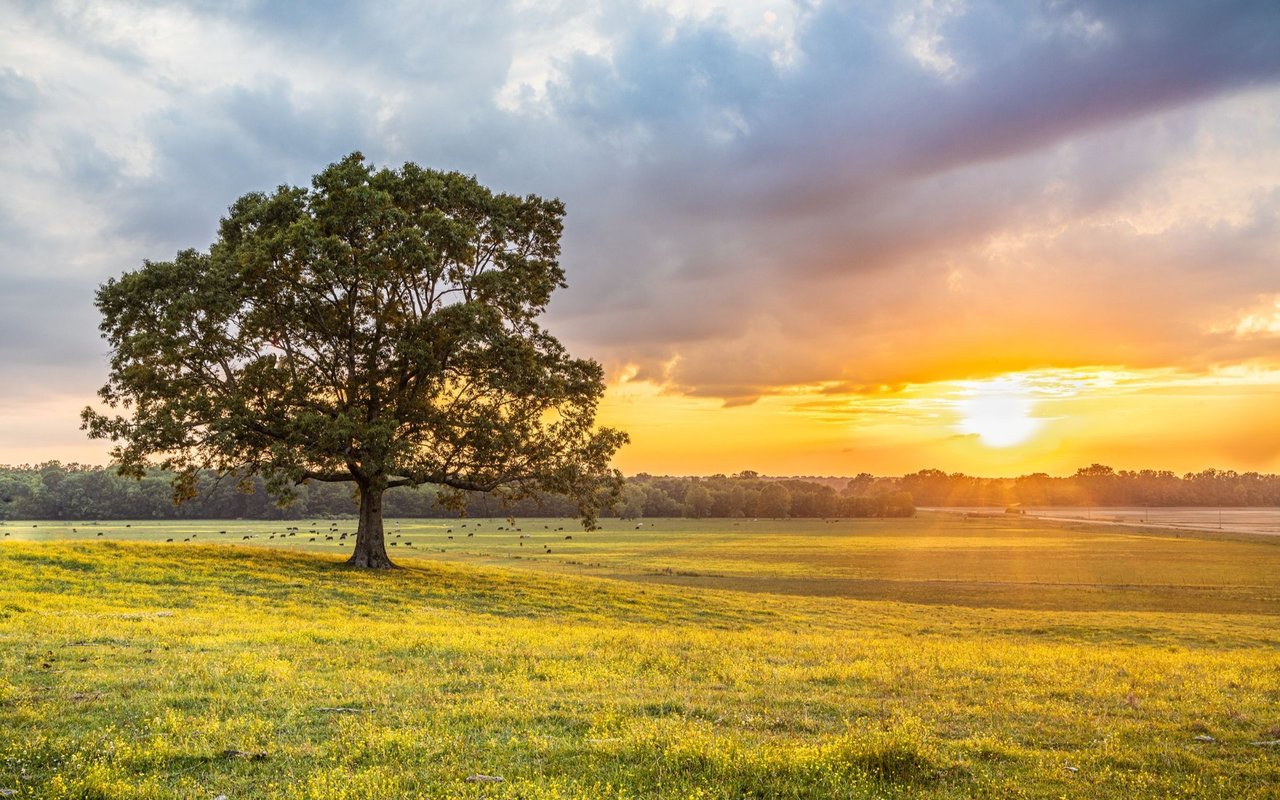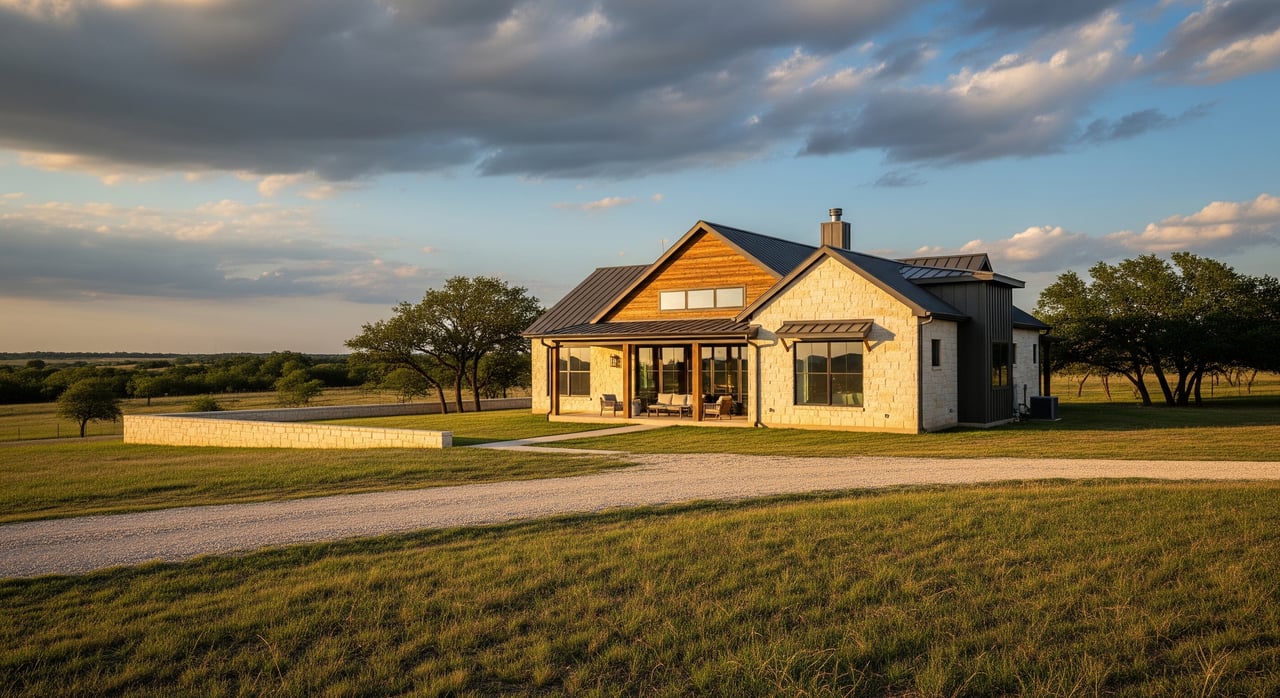
Ever picture mornings that start with quiet pasture views and end with a blazing North Texas sunset? If you’re considering a few acres near Wichita Falls or across Clay County, you’re likely craving space, privacy, and room for projects. You also want the facts on daily routines, services, and costs so the move feels smart, not stressful. In this guide, you’ll learn what small‑acreage life really looks like, what to verify before you buy, and where to find reliable local resources. Let’s dive in.
Daily life on a few acres
Small‑acreage properties around Wichita Falls and into Clay County often blend residential living with light agricultural use. You’ll see gardens, small livestock like chickens or goats, and, on larger parcels, horses. Many owners keep a mix of outbuildings, such as a barn or workshop, and equipment like an ATV or compact tractor.
Expect more routine chores than an in‑town home. You may maintain a private well and a septic system, keep fences tight, mow larger areas, and handle driveway or road grading after strong storms. These tasks add time to your week, but they also give you control over your land and how it runs.
Commute and access to town
Most small‑acreage owners drive into Wichita Falls for work, shopping, medical care, and services. Commutes commonly run 15 to 45 minutes depending on location and road type. That tradeoff buys you elbow room and quieter nights.
Access routes vary. Some parcels front paved county or state roads. Others rely on gravel or dirt lanes maintained by county crews or private road groups. Before you buy, confirm who maintains your road, whether there’s a shared agreement, and how storm events affect access.
Weather and seasons to plan for
North Texas summers are hot and humid. Winters are generally mild to cool with occasional freezes. Severe thunderstorms, hail, and tornado risk are part of the region’s weather profile. Many rural owners plan for storm safety, review insurance coverage, and secure equipment and outbuildings seasonally.
Drought and heat can change water use and pasture health. Heavy rains can affect unpaved roads and low spots on a property. For practical tips on land and water stewardship, you can explore guidance from Texas A&M AgriLife Extension.
Services and utilities: what to check
Rural services differ from city living. It’s smart to verify the basics at the parcel level, not just by zip code.
Water: private wells
Many rural properties rely on a private well. You’ll want to know the well depth, pump age, flow rate, and water quality. Ask for any well logs and run a potable water test for bacteria and nitrates. For statewide well information and groundwater resources, start with the Texas Water Development Board.
Septic and wastewater
Outside municipal sewer service, on‑site sewage systems are standard. Systems range from conventional to aerobic setups. Always schedule a professional inspection, confirm capacity for your household size, and ask for maintenance and pump‑out records. The Texas Commission on Environmental Quality provides guidance on on‑site sewage systems and permitting.
Power, propane, and backup
Electricity is usually available, though providers vary. Some areas fall under cooperatives, while others are served by investor‑owned utilities with retail plan choices. Natural gas lines may not reach rural roads, so many owners use propane for heating and cooking. If outages last longer where you’re looking, a generator and transfer switch are common upgrades.
Internet and phone
Broadband availability is hit‑or‑miss and very address‑specific. Options can include fixed wireless, DSL along phone lines, cable in a few corridors, or satellite for the most rural stretches. Check the FCC broadband map and call local providers to confirm real speeds at your exact address.
Mail, trash, and recycling
USPS rural delivery may serve your road, or you might need a PO box. Trash and recycling can be municipal, private‑hauler, or owner‑arranged depending on location. Confirm service options, providers, and costs early in your search.
Common property features and land use
Every acreage has a different setup. A careful walk‑through and document review will tell you how the land is working today and what it needs.
Fencing and livestock
You’ll commonly see barbed or woven wire for livestock, plus pipe or board fencing for horses. Cross‑fencing divides pasture for grazing. Fence condition and alignment with the survey can be key negotiation points, so plan to check them closely.
Ponds, creeks, and flood considerations
Small ponds are common. They add value for stock water and look great at sunset. Confirm the pond’s condition, depth, and any dam safety considerations. If the property has a creek or low‑lying area, review floodplain status and drainage. You can look up official maps through the FEMA Flood Map Service Center.
Outbuildings and improvements
Workshops, loafing sheds, barns, and equipment storage add utility. Inspect roofs, slabs, wiring, and doors. Ask about permits, especially for recent improvements. Practical working space often matters as much as the home itself for rural buyers.
Easements and mineral rights
Utility, pipeline, or road easements are common and can limit where you build. In Texas, mineral rights are often severed. Ask your title company to clarify what conveys and what does not. If minerals are retained by others, surface activity could be a consideration for you in the future.
Zoning and restrictions
Large parts of Wichita and Clay counties are unzoned, but deed restrictions or subdivision covenants may still apply. Request copies up front. Clear rules help you plan barns, fences, and future uses without surprises.
Costs, financing, and insurance
Property taxes and ongoing expenses
Texas does not levy a state income tax, so property taxes are a major ongoing cost. Rates vary by county, school district, and other local entities. You can review statewide property tax basics through the Texas Comptroller and then verify parcel‑specific details with the local appraisal district. Other recurring costs can include well and septic maintenance, road association dues, propane and electricity, and insurance.
Loans for rural homes
Conventional loans are widely used for rural residences. FHA and VA financing can also work, but lenders may require well water tests, septic inspections, and a survey that confirms access and easements. Many buyers explore USDA Rural Development programs, which have area and income eligibility rules. Ask your lender what documentation they will need early in the process.
Insurance considerations
Insurers look at distance to fire protection, wind and hail exposure, and flood risk. In rural areas, premiums can be higher if volunteer fire services are far from the property or if there are no hydrants nearby. Consider wind and tornado coverage and, if maps show risk, a separate flood policy. A simple umbrella policy can add liability protection for ponds and ATVs.
Buyer checklist for Wichita Falls–area acreage
Use this short list to keep your due diligence focused and efficient.
- Schools: Verify the exact school district assignment using the Texas Education Agency resources.
- Utilities: Confirm electricity provider options, propane availability, internet providers and real speeds, and trash/recycling service.
- Well: Ask for logs, pump age and depth, and a potable water test. Start with TWDB resources at the Texas Water Development Board.
- Septic: Order a professional inspection and review maintenance records. See TCEQ for program guidance.
- Access: Confirm deeded access or recorded easements and any road maintenance agreements.
- Easements and minerals: Have title search these and explain what conveys.
- Floodplain: Check the FEMA Flood Map Service Center for flood risk.
- Restrictions: Request deed restrictions or subdivision covenants.
- Boundaries: Review the survey and walk fence lines.
- Outbuildings: Verify permits and condition of barns, sheds, and workshops.
- Emergency services: Ask the county about response times and nearest hospital.
- Insurance: Get quotes for homeowner, wind/hail, flood (if applicable), and umbrella.
- Land management: For pasture, pond, and drought planning, consult Texas A&M AgriLife Extension.
How Williams Realty & Auction Service helps
Choosing the right small‑acreage property is part lifestyle and part logistics. You want practical answers on water, septic, access, fencing, and how the land actually works day to day. Our team lives that reality. We pair local land knowledge with clear, operational details in every listing so you can make decisions with confidence.
As a brokerage with certified auction services, we also give sellers two effective paths: traditional MLS exposure or a time‑defined auction for rapid price discovery. That multi‑channel reach helps connect the right buyers with the right properties, whether you prefer a negotiated sale or a competitive bidding format.
If you’re ready to tour small‑acreage options or want a plan to sell, reach out to Williams Realty & Auction Service. Call to schedule a showing or register to bid.
FAQs
What is small‑acreage living near Wichita Falls like?
- Expect a quiet, low‑density lifestyle with more space, hands‑on chores like well and septic upkeep, and regular trips into Wichita Falls for services and shopping.
Are private wells and septic systems common in Wichita and Clay counties?
- Yes. Many rural homes rely on a private well and an on‑site sewage system. Verify well logs and test results, and schedule a septic inspection before closing.
How do I check a rural property’s school district near Wichita Falls?
- Use the Texas Education Agency tools or contact local district offices to confirm the exact assignment based on the parcel’s boundaries.
What internet options are typical on rural acreage around Wichita Falls?
- Availability is address‑specific. Check the FCC broadband map and call providers to confirm actual service and speeds at the property.
How can I see if a property is in a floodplain near Wichita Falls?
- Review the FEMA Flood Map Service Center for official maps, then confirm details with your insurance agent and, if needed, a surveyor.
Do USDA loans apply to rural homes near Wichita Falls?
- Many areas qualify, subject to income and property rules. Explore eligibility and program details through USDA Rural Development.
How do Texas property taxes work for small acreage?
- Texas relies on property taxes, which vary by county, school district, and other entities. See the Texas Comptroller for statewide guidance and then verify parcel specifics locally.