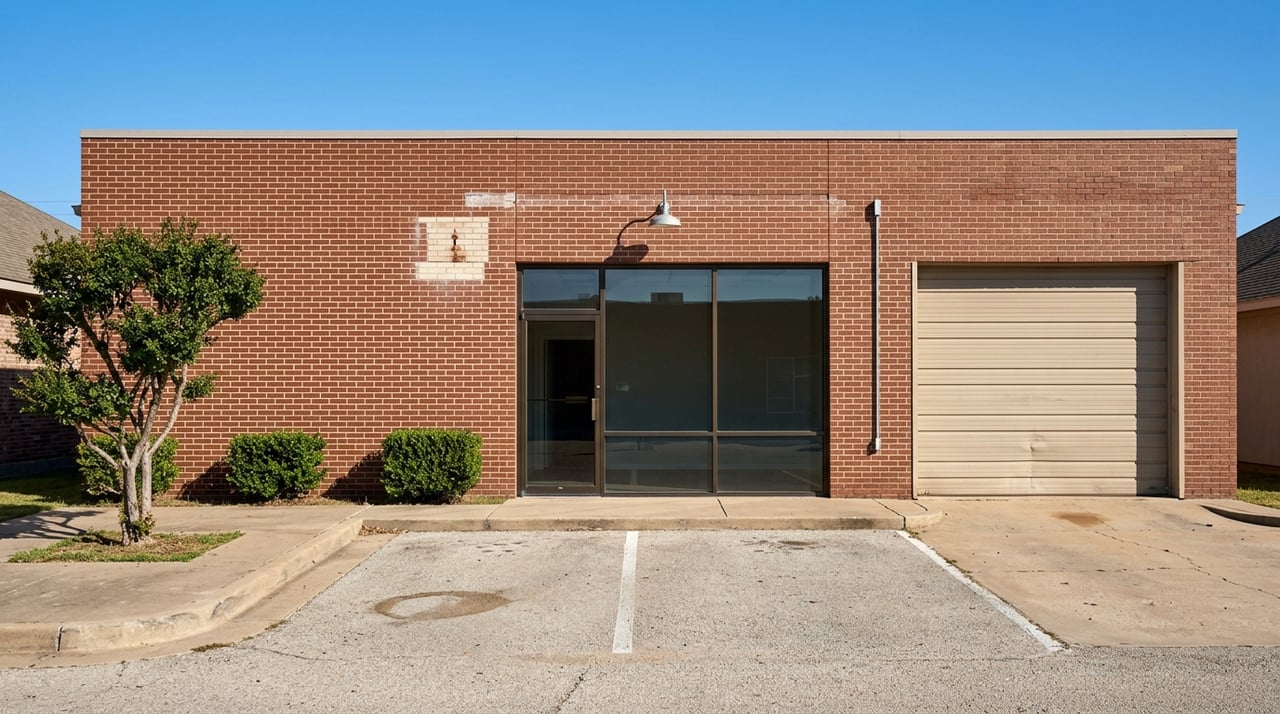
If you are selling a small commercial property in Wichita Falls, price is only part of the story. Buyers want to know what the building can legally do, how it functions day to day, and whether the numbers make sense in a steady-growth market. When you understand those factors before you list, you can market your property with more confidence and fewer surprises. Let’s dive in.
Why Wichita Falls buyers look closely
Wichita Falls had an estimated population of 102,372 in 2024, with 38,169 households and a median household income of $60,177, according to the U.S. Census Bureau. The local economy is heavily concentrated in government and services, which means many small commercial buyers are focused on practical use, stable occupancy, and realistic income rather than rapid growth projections.
That matters if you are selling a storefront, warehouse, office, or event-oriented property. In a market like Wichita Falls, buyers often weigh tenant history, vacancy risk, and use flexibility more heavily than they would in a faster-growing metro. A solid, well-documented property often stands out more than one with a flashy presentation but weak details.
Wichita Falls is also working on downtown redevelopment and storefront activation through its planning efforts, including the Falls Future 2.0 framework. For some older buildings, that creates a real opportunity. A property with good bones, parking, and flexible legal use may appeal to buyers looking at repositioning potential, not just current condition.
Start with zoning and use
Before you think about pricing, photos, or marketing, confirm exactly how your property is zoned. In Wichita Falls, zoning districts such as LO, LC, GC, LI, HI, CBD, CC, and RMU each shape what a buyer can do with the property and how attractive it will be to the next user. You can review district purposes and use rules in the city’s zoning districts document.
For example, LC and CC districts are intended for smaller office and neighborhood commercial uses. GC allows a broader mix that can include retail, services, self-storage, and some industrial-adjacent uses. LI is geared more toward wholesale, trucking, warehousing, and light fabrication, while the CBD is aimed at the commercial core and includes many older business structures with special parking, height, and area rules.
If your property is in or near downtown, the CBD purpose statement matters. The city specifically notes that the district includes older business structures that predate modern shopping centers, and that different standards may apply there. That can be a positive for sellers, especially when a buyer is evaluating an older storefront, office, or adaptive reuse opportunity.
The easiest place to verify zoning and related site issues is the city’s Development Interactive Map. It can help confirm zoning, floodplain, historic districts, utilities, easements, and thoroughfare data before the property goes to market. That kind of verification gives buyers useful answers early.
Why legal use matters so much
A buyer is not just buying square footage. They are buying the current legal use, the likely next use, and the time and cost it may take to change uses if needed.
That is especially true for event-style or assembly-oriented properties. Wichita Falls district tables include uses such as movie theaters, indoor sports and recreation, clubs, and outdoor entertainment or recreation, but some of those uses require conditional approval or site plan review depending on the district. If your building has been used informally one way but is zoned for something narrower, that gap can affect value and buyer demand.
Parking and access can change value fast
Parking is one of the first things many commercial buyers and lenders review because it directly affects usability. Wichita Falls requires off-street parking and loading based on the property’s use, and work typically requires permit and site plan review under the city’s parking, loading, and curb cuts code.
The city’s schedule sets a four-space minimum for non-residential uses except in the CBD. Typical ratios include offices at one space per 300 square feet, clinics at one per 200 square feet, retail at one per 200 square feet for spaces below 20,000 square feet, restaurants and bars at one per 100 square feet plus one per employee, and theaters at one per four seats. Warehousing or distribution uses are measured differently, with parking tied to employee counts.
If your property is outside the CBD and contains 12,000 square feet or more, loading requirements may also come into play when the use involves receiving or distributing vehicles, materials, or merchandise. The code also addresses paved parking surfaces, curb cuts, wheel stops or barriers, and maneuvering space. These details may seem technical, but they can strongly affect what buyers believe the property can support.
Site access matters too
A small commercial building with limited curb access or awkward parking layout may still sell well, but buyers will factor those constraints into their offers. If the property sits next to residential zoning, buffering and screening rules may also matter for certain projects or expansions. The city’s development guide flags fencing and screening requirements in some cases when commercial uses abut single-family zoning.
For sellers, the takeaway is simple: know your parking count, know your access points, and know whether the current layout supports the most likely buyer use. Clear answers help reduce hesitation.
Buyers will underwrite the numbers
If the property is income-producing, most commercial buyers will analyze it through net operating income, debt coverage, and cash flow. NAIOP’s commercial real estate terms and definitions define NOI as income after operating expenses but before taxes and financing costs. The same source defines debt-service coverage ratio as NOI divided by annual debt service.
Those terms matter because they shape how buyers and lenders view risk. A property with uneven rents, short lease terms, or deferred repairs may produce less dependable income on paper even if it looks busy in person. Buyers usually account for vacancy, capital repairs, leasing costs, and re-tenanting risk when they estimate real returns.
Lenders also tend to look at the basics closely. An ICBA commercial lending presentation identifies cash flow analysis, rent rolls, financial statements, and tenant risk assessment as core underwriting inputs. If you can organize that information before listing, your property is easier to evaluate and easier to finance.
Event and special-use properties need extra context
If you are selling an event center, venue, or flexible assembly space, the buyer is usually pricing more than the building itself. They are also evaluating whether the current or next use can support recurring revenue after operating costs, vacancy periods, and setup expenses are considered.
That means your marketing should focus on facts. Use history, zoning status, parking, ingress and egress, layout, and utility support are often more persuasive than broad income promises. In a smaller market, practical details usually carry more weight than assumptions.
Build a stronger marketing package
Small commercial buyers in Wichita Falls are often looking for clear, usable information. Because smaller and tertiary markets may rely more heavily on MLS-based distribution than markets with a dedicated commercial information exchange, a multi-channel approach can make sense. A CCIM article discussing NAR commercial guidance notes that many smaller markets use MLS for commercial listings because there is not enough concentration to support a CIE.
That does not mean you should market the property broadly without a plan. It means you should prepare a factual package that helps both local buyers and out-of-area investors assess the opportunity quickly.
A strong small-commercial seller packet often includes:
- Verified zoning district
- Current use and likely permitted uses
- Parking count and loading details
- Site access and curb-cut information
- Rent roll, if occupied
- Tenant history and lease summary
- Utility and easement notes when relevant
- Floodplain or historic-district information, if applicable
- A clear explanation of what may require conditional approval or rezoning
For Wichita Falls properties, the Development Interactive Map can support much of this groundwork. The goal is not to overwhelm buyers. The goal is to answer the questions serious buyers already have.
Choose the right sale strategy
Not every small commercial property should be sold the same way. Some properties benefit from a conventional listing with room for buyer due diligence and negotiation. Others may be better suited to an auction format, especially when the asset is hard to price, part of an estate, or needs a defined timeline for sale.
A practical strategy often depends on the property’s condition, legal use clarity, income profile, and likely buyer pool. A stabilized office or retail building may perform well through a traditional listing approach. A unique warehouse, older venue, or difficult-to-value property may benefit from stronger price discovery and a time-defined marketing window.
That is where local knowledge matters. In a market like Wichita Falls, you want a sale plan that matches how buyers actually search, evaluate, and bid, not a one-size-fits-all approach.
Prepare before you list
If you want a smoother sale, do the homework first. Even a few hours of prep can improve buyer confidence and reduce renegotiation later.
Start with this checklist:
- Verify zoning and use status.
- Confirm parking count and loading setup.
- Gather leases, rent rolls, and trailing income and expense information.
- Review site access, curb cuts, and any physical limitations.
- Check the city map for floodplain, easements, historic overlays, and utilities.
- Decide whether a traditional listing or auction timeline fits your goals.
Selling a small commercial property in Wichita Falls is usually not about hype. It is about presenting the asset the way serious buyers underwrite it. When you lead with facts, you put yourself in a stronger position to attract qualified interest and move toward closing with fewer surprises.
If you are weighing the best way to sell a storefront, warehouse, office, or event-oriented property in Wichita Falls, Williams Realty & Auction Service can help you evaluate the property, choose the right sale path, and reach buyers through practical, targeted marketing. Call to schedule a showing or register to bid.
FAQs
What should I verify before selling a small commercial property in Wichita Falls?
- You should verify zoning, current legal use, parking count, loading access, site access, and key map items such as floodplain, easements, utilities, and historic-district status.
How does zoning affect a Wichita Falls commercial sale?
- Zoning shapes what uses are allowed, what may need conditional approval, and how attractive the property may be to the next buyer or tenant.
Why do parking rules matter for a Wichita Falls commercial listing?
- Parking rules can affect whether a buyer’s intended use fits the site, and that can directly influence value, financing, and buyer interest.
What financial documents help sell an income-producing commercial property?
- Buyers and lenders often want rent rolls, lease summaries, operating income and expense history, and other records that help them analyze NOI, tenant risk, and cash flow.
When should I consider auction versus a traditional listing for a Wichita Falls commercial property?
- Auction may be worth considering when the property is hard to price, tied to an estate or time-sensitive sale, or likely to benefit from a defined timeline and competitive price discovery.