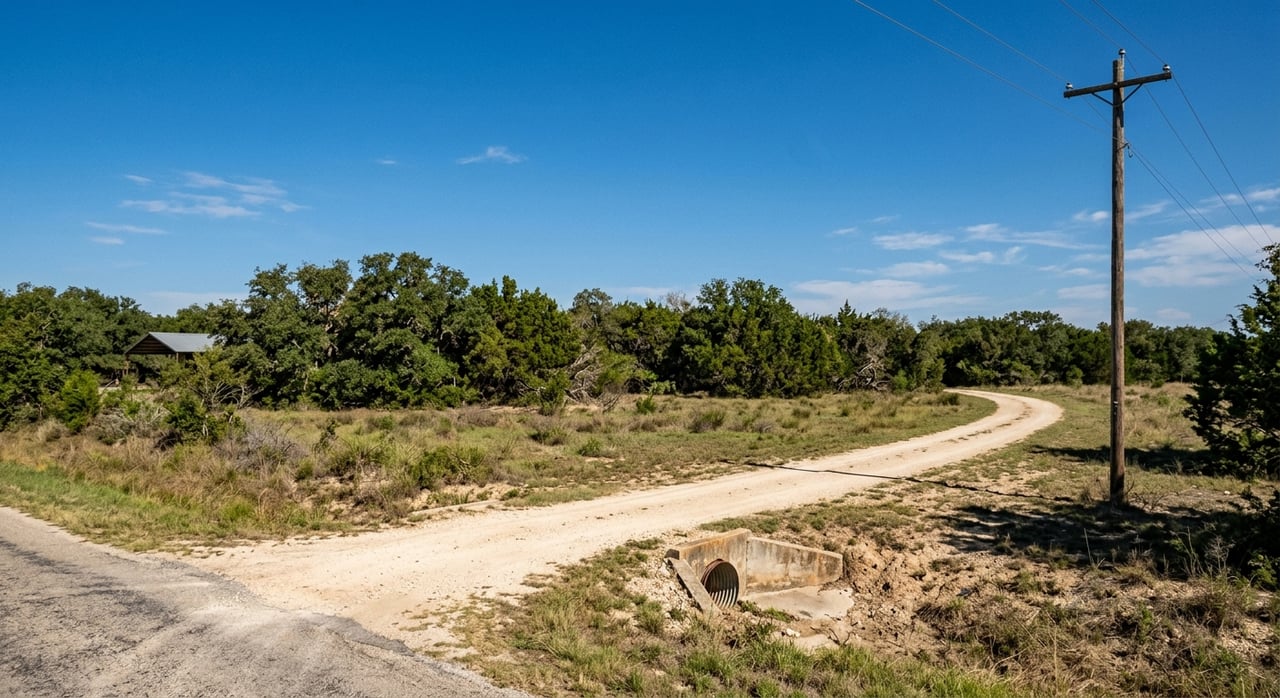
Thinking about buying recreational land near Burkburnett? A pretty tract can be easy to fall for, but the real value often comes down to what you can actually do with it once you own it. If you want a place for weekend hunting, camping, riding, or long-term enjoyment, you need to look past acreage and ask better questions about access, water, cover, and paperwork. This checklist will help you focus on the details that matter most before you make an offer. Let’s dive in.
Why Burkburnett-Area Land Needs a Closer Look
Burkburnett sits in Wichita County within the Region B water planning area, near the Red River and in a landscape shaped by farming, ranching, and mineral activity. Texas Parks and Wildlife places Wichita County partly in the Rolling Plains, where gently rolling rangeland, streams, river bottoms, mixed soils, and annual rainfall of about 22 to 30 inches all influence how a tract performs.
For you as a buyer, that means acreage alone does not tell the full story. A smaller tract with usable water, decent cover, and solid access may be more practical than a larger property with weak habitat or legal limitations.
Start With Access First
Confirm legal access
One of the biggest mistakes in rural land buying is assuming a visible road or gate means secure access. In Texas, rural land can be landlocked, so you need to confirm exactly how you get to the property and whether that access is legally protected.
The Texas Real Estate Research Center notes that buyers should verify whether an access easement is appurtenant or in gross and whether the tract being purchased is the dominant estate that benefits from the easement. In simple terms, you want clear proof that your property has the right to use that access route.
Check road frontage carefully
A parcel may appear to sit near a public road, but that does not always mean the driveway or entrance is public. TxDOT maps show the roads the state maintains, including highways and farm-to-market routes, but a driveway or approach to the tract may still be private or shared.
That is why a survey and title review matter. They can help you confirm where the gates are, who maintains the road, and whether any encroachments could affect your use.
Review Title and Mineral Issues
Ask about mineral severance
Around Burkburnett, mineral activity is not just background information. In Texas, the mineral estate can be separated from the surface estate, and the mineral estate is dominant.
According to the Railroad Commission of Texas, mineral owners or their lessees may use the surface as reasonably necessary for roads, pipelines, wells, and related activity. Before you buy, ask whether minerals have been severed, whether there is an active lease, and whether any surface-use or damages agreement is in place.
Request core title documents
A recreational tract should come with more than a basic legal description. Before closing, request the survey, title commitment, deed, any mineral reservations, and any recorded access easements.
These records help answer a simple but important question: can you use the property the way the listing suggests? If the answer is unclear, pause and investigate before moving forward.
Look Hard at Water
Identify the actual water source
Water can make or break recreational land in North-Central Texas. Burkburnett’s planning documents identify water sources that include alluvial groundwater and purchased water from Wichita Falls, and Region B planning materials also reference the Little Wichita River Lake and Reservoir system, direct reuse, indirect reuse, and the Seymour Aquifer.
For your tract, though, the big question is practical: what water service does this specific property have today? You need to know whether the land has rural water access, an existing well, a shared arrangement, or no reliable water source at all.
Test any existing well
If the tract has a well, do not assume that means dependable long-term supply or good water quality. The Texas Water Development Board describes the Seymour Aquifer as a major aquifer where water quality can range from fresh to slightly saline, with elevated nitrate, chloride, and sulfate in some areas.
That makes testing important. Ask about well yield, water quality, service history, and any recent testing before you count on that well for recreation, livestock, or future improvements.
Evaluate Habitat and Cover
Study the vegetation mix
If you are buying recreational land for wildlife use, open space alone is not enough. Texas Parks and Wildlife notes that vegetation forms the framework of wildlife habitat in Northcentral Texas.
A more useful tract often has a mix of grasses, forbs, shrubs, trees, and riparian cover instead of one uniform plant community. That mix can support more wildlife activity and make the property more enjoyable across different seasons.
Consider land-use history
Most habitat in Northcentral Texas is privately owned, and habitat quality can vary widely based on past use. Grazing pressure, hunting history, brush management, and past disturbance can all affect how a tract functions today.
Ask direct questions about how the land has been used. A property with a solid management history may offer better recreational value than one that looks good from the road but has limited habitat quality on the ground.
Match the tract to your goals
Regionally, Northcentral Texas can support bobwhite, Rio Grande turkey, mourning dove, white-winged dove, squirrels, rabbits, and furbearing mammals. Texas Parks and Wildlife also notes that turkey habitat depends on tall trees, ground vegetation, and riparian areas, while dove use seeds and water sources.
If your goal is hunting, wildlife watching, or a family weekend place, walk the property with those needs in mind. Rainfall and habitat conditions can change wildlife numbers, so focus on the property’s long-term habitat features, not just what you see in one visit.
Check Improvement Potential
Verify septic feasibility
If you hope to add a cabin, camp, or small home, septic feasibility should be near the top of your checklist. The Texas Commission on Environmental Quality states that on-site sewage facilities require permits and an approved plan, and the site evaluation includes a soil analysis in the proposed disposal area.
That means a nice homesite is not enough by itself. You also need to know whether the soils and layout support the type of septic system your plans will require.
Confirm well and utility plans
If a new well will be needed, the Texas Department of Licensing and Regulation oversees water well drilling and pump installation. That makes water access a practical development issue, not just a line item on a wish list.
You should also inspect any existing utility connections and ask what is already in place. Power nearby is helpful, but you still need to verify how service would reach your intended build site.
Inspect basic improvements
On recreational land, simple improvements can carry a lot of value. Fencing, gates, roads, water sources, barns, sheds, and existing utility infrastructure all affect usability and cost.
The Texas Comptroller also notes that productivity calculations for agricultural or open-space land can include expenses such as fencing and irrigation wells. Even if your main goal is recreation, those features can still matter for both everyday use and the property’s economics.
Understand Current Tax Status
Verify the use classification
Texas offers special appraisal for agricultural, timberland, and wildlife-management use. If a property currently has agricultural or open-space treatment, you need to verify the current classification with the local appraisal district before closing.
This matters because a shift from agricultural use to non-agricultural use can trigger rollback tax for the previous three years. You do not want to discover that issue after the deed is recorded.
Ask about wildlife-management appraisal
If your long-term plan includes habitat work and wildlife use, ask whether the tract may qualify for wildlife-management appraisal. The Comptroller points buyers toward Texas Parks and Wildlife wildlife-management planning guidelines and forms for that path.
This is another reason to think through your intended use early. Tax treatment should line up with how you realistically plan to operate and maintain the land.
Your Burkburnett Recreational Land Checklist
Before you move forward on a tract near Burkburnett, make sure you can answer these questions:
- Does the property have documented legal access?
- Is the access easement tied to the tract you are buying?
- Is the entrance public, private, or shared?
- Do the survey and title work match what you saw on the ground?
- Have minerals been severed from the surface?
- Is there an active oil or gas lease or any surface-use agreement?
- What is the current water source for the tract?
- If there is a well, have you confirmed yield and water quality?
- What kind of cover, vegetation mix, and riparian habitat does the property have?
- How has the land been used or managed in recent years?
- Can the site support septic if you want a cabin or camp?
- What improvements already exist, and what condition are they in?
- What is the current property tax classification?
- Have you reviewed the key documents before closing?
Why Details Matter on Rural Tracts
Buying recreational land is exciting, but it also rewards careful homework. Near Burkburnett, the difference between a good-looking tract and a truly useful one often comes down to the details you cannot confirm from photos alone.
When you slow down and check access, water, habitat, minerals, improvements, and tax status, you put yourself in a stronger position to buy with confidence. That kind of practical review helps you find land that fits the way you actually want to use it.
If you want help evaluating acreage near Burkburnett, the team at Williams Realty & Auction Service brings practical North-Central Texas land experience to recreational, ranch, and rural property searches. Call to schedule a showing or register to bid.
FAQs
What should I check first when buying recreational land near Burkburnett?
- Start with legal access, because a tract can be landlocked even if it appears easy to reach from the road.
Why do mineral rights matter for Burkburnett-area land buyers?
- In Texas, the mineral estate can be separate from the surface estate, and mineral owners or lessees may have rights to use the surface as reasonably necessary for energy-related activity.
How important is water on recreational land in Wichita County?
- Water is a core issue because usability often depends on actual service, well reliability, and water quality rather than just acreage.
Can I add a cabin or camp to recreational land near Burkburnett?
- Possibly, but you should verify septic permitting feasibility, soil conditions, water access, and utility options before assuming the site can support improvements.
What documents should I request before closing on recreational land in Texas?
- Ask for the survey, title commitment, deed, mineral reservations, access easements, any well or septic records, and the current appraisal district use classification.