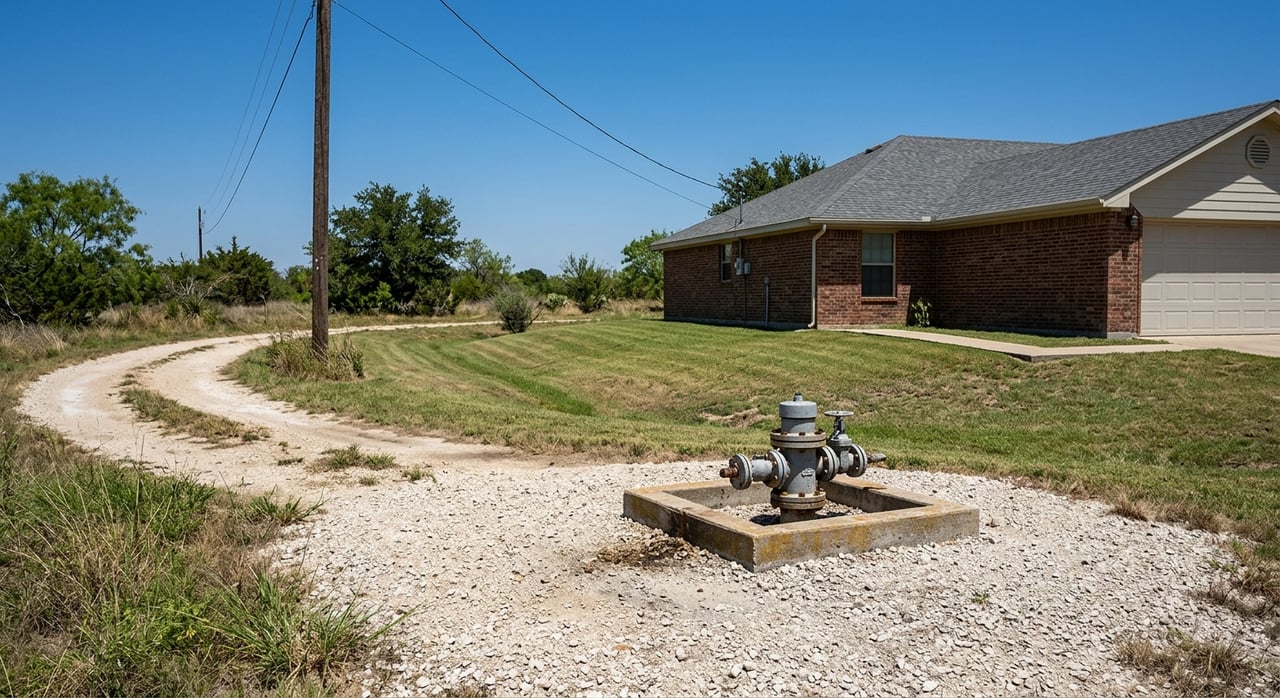
Buying land near Burkburnett can feel exciting right up until one question changes everything: Do you actually control what happens below the ground? In this part of Wichita County, that is not a small detail. Burkburnett’s oil history and the county’s current well activity mean mineral rights and surface-use issues should be part of your due diligence from day one. This guide walks you through what to look for, what questions to ask, and where buyers often get surprised. Let’s dive in.
Why Burkburnett buyers need to pay attention
Burkburnett is not just any Texas land market. The city’s own history ties it closely to a major oil boom, and that legacy still shows up in how land is owned and used today.
County-level data from the Railroad Commission of Texas shows Wichita County had thousands of tracked oil wells, including 4,249 regular-producing oil wells in the February 2025 county well-count report. The county also produced 56,928 barrels of crude oil in February 2026. For you as a land buyer, that means older leases, mineral reservations, access issues, and pipeline burdens are normal possibilities, not rare exceptions.
Mineral rights vs surface rights
In Texas, the mineral estate and the surface estate can be split apart. That means you may buy the land you can see and use, but someone else may still own rights to the oil, gas, or other minerals below it.
That split matters because the deed controls what was actually conveyed. If a prior owner reserved minerals, or if a deed issue was not handled clearly, your rights may be very different from what a listing summary seems to suggest.
What mineral rights mean
Mineral rights refer to subsurface rights that can include oil, gas, and other minerals depending on the deed language. In Texas, those rights can be severed from the surface and owned separately.
Just as important, the right to sign an oil and gas lease can also be separated. Those are called executive rights, and they matter if ownership has been split among family members or held back by a prior owner.
What surface rights mean
Surface rights cover the ground-level use of the property. You may own the acreage, build on it, graze livestock, or use it for other lawful purposes, but that does not automatically mean you control future mineral development.
This is one of the biggest points of confusion for rural buyers. Owning the surface does not always mean you can stop drilling-related activity if the minerals were previously reserved.
Why the mineral estate matters so much in Texas
Texas treats the mineral estate as the dominant estate in many situations. In plain language, that usually means the mineral owner or the lessee may have an implied right to use as much of the surface as is reasonably necessary to develop the minerals.
That is why surface-use questions matter before closing, not after. If you wait until an operator is ready to move equipment onto the land, your options may be narrower than you expected.
Oil and gas leases are not typical leases
A common mistake is assuming an oil and gas lease works like a regular rental agreement. In Texas, it is treated as a mineral deed, not a standard rental lease.
That distinction affects how long rights may last and what activity may continue after a sale. If there is an existing lease tied to the property, it can remain in force even when the land changes hands.
Existing production can extend burdens
Production on the leased property, or even on pooled lands in some cases, can keep a lease alive. Without negotiated depth or acreage severance limits, one producing well may affect a larger tract for longer than many buyers expect.
For acreage buyers around Burkburnett, this is a practical issue. If your plan is to use the land for grazing, recreation, or a rural homesite, you need to understand whether older lease terms could still affect future surface use.
What a surface-use agreement can do
A written surface-use agreement can help reduce uncertainty by setting clearer rules before operations begin. There is no universal standard oil and gas lease form, and many provisions are negotiable.
That is good news for buyers who want more predictability. A solid written agreement can address where activity happens, how damage is handled, and what restoration is expected.
Issues a surface-use agreement may address
Depending on the situation, negotiated surface protections can cover:
- Drill-pad and road locations
- Setback distances from dwellings
- Pipeline routing
- Use of existing roads
- Groundwater use
- Advance surface-damage payments
- Crop or timber damage
- Fencing and livestock protection
- Restoration of disturbed ground
- Removal of equipment and pipelines at the end of operations
These details matter on working land. If a tract has water wells, livestock, fencing, caliche roads, or more than one access point, you want those realities considered before anything changes on the ground.
What a surface-use agreement cannot do automatically
A surface-use agreement is not a magic fix for every issue. If mineral rights are already severed and prior rights are in place, your leverage may depend on the exact ownership and lease situation.
Also, surface-damage recovery can be limited if protections were never negotiated up front. That is one reason buyers should review these issues early with qualified legal help rather than assuming they can sort it out later.
The accommodation doctrine in simple terms
Texas law includes what is called the accommodation doctrine. In some situations, it can require the mineral user to choose a reasonable alternative if an existing surface use would otherwise be substantially impaired and alternatives are available.
That said, the burden of proof falls on the surface owner. For most buyers, the practical takeaway is simple: do not rely on this doctrine as your only protection. It is far better to understand title, leases, and surface terms before you close.
Burkburnett land due diligence steps
If you are buying acreage in or around Burkburnett, take a practical approach. Start with documents, then confirm what is happening on the ground and in the public records.
Review the deed chain carefully
Start with the deed chain because the deed controls what was conveyed. Review the current deed, prior deeds, any correction deeds, and the title commitment.
You should also look for any recorded memorandum of lease, easement, or right-of-way. A memorandum of lease is a shorter recorded document that can put buyers on notice of an existing lease even when the full lease terms are not public.
Check Railroad Commission records
The Railroad Commission of Texas is the main state agency with regulatory authority over the oil and natural gas industry and pipeline transporters. Its public GIS viewer allows users to see wells, pipelines, surveys, and related features.
Its well-record system covers oil and gas records from 1964 to the present, and production data are available from 1993 to the present. That makes it a key starting point when you want to know whether a tract may be affected by current or historical oil and gas activity.
Look for these tract-level issues
Countywide well counts are only a screening tool. Before you close, verify whether the specific property has or may be affected by:
- Producing wells
- Shut-in or inactive wells
- Older well bores
- Pipeline easements
- Access roads
- Pooled acreage issues
- Other recorded surface burdens
A shut-in well is generally an inactive well in Railroad Commission county-count classifications. Even if a well is not currently producing, it may still signal a history that deserves closer review.
Questions to ask before you buy
When you are evaluating Burkburnett acreage, the right questions can save you time, money, and frustration. Bring these up with your real estate professional and your oil-and-gas attorney or landman.
Ask about what is actually being conveyed
Listing language can be helpful, but it is not the final word. Ask: What exact mineral interest is being conveyed, and what is being reserved?
The answer should come from the deed chain, not from assumptions. If the documents are unclear, treat that as a sign to slow down and get answers before moving forward.
Ask whether a lease is already in place
If there is an existing oil and gas lease, ask whether it will continue after closing. In Texas, a transfer of minerals with the surface does not automatically end an existing lease.
That means your future use of the tract may still be affected by lease terms you did not negotiate yourself. You want that issue clarified before you commit.
Ask where wells, pipelines, and access points are
Do not stop at a general map. Ask whether there are active, shut-in, or inactive wells on or near the tract, and where they are located.
Also ask about pipelines, rights-of-way, and access roads that may already burden the land. These features can affect building plans, fencing, livestock movement, and day-to-day use.
Ask what protections can be negotiated
If minerals are involved, ask whether limits can be negotiated on:
- Drill-pad placement
- Water use
- Fencing
- Crop damage
- Livestock safety
- Reclamation
- Equipment removal
Even if you are still early in the buying process, these questions help you understand the real-world fit between the tract and your plans.
A practical takeaway for Burkburnett buyers
Land around Burkburnett can offer real opportunity, but it also calls for careful review. In a market shaped by long-standing oil activity, mineral reservations and surface-use burdens should be treated as standard due diligence items.
If you are looking at ranchland, a rural homesite, or multi-acre property in Wichita County, take a document-first approach and verify the facts on the ground. Clear answers before closing are almost always easier than disputes after closing.
When you want practical guidance on North-Central Texas land, reach out to Williams Realty & Auction Service to schedule a showing or register to bid.
FAQs
What do mineral rights mean for Burkburnett land buyers?
- Mineral rights are subsurface rights that may include oil, gas, and other minerals depending on the deed language, and they can be owned separately from the surface.
What do surface rights mean for Wichita County acreage buyers?
- Surface rights cover the ground-level use of the property, but owning the surface does not automatically give you control over mineral development if the minerals were previously reserved.
Why should Burkburnett buyers check the deed chain before closing?
- In Texas, the deed controls what was conveyed, so prior deeds, correction deeds, and reservations can materially change what you are actually buying.
What is a surface-use agreement for Texas land buyers?
- A surface-use agreement is a written agreement that can address issues like road placement, pipeline routing, water use, fencing, restoration, and equipment removal before operations begin.
What should Burkburnett buyers look for in Railroad Commission records?
- Buyers should look for wells, pipelines, surveys, production history, and other indicators that a specific tract may have current or historical oil and gas burdens.
Can an existing oil and gas lease affect land after a Burkburnett sale?
- Yes, an existing oil and gas lease can remain in force after closing, so buyers should confirm whether any lease already applies to the property they want to purchase.