If you are thinking about selling or auctioning a farm near Burkburnett, one thing matters more than almost anything else: how much uncertainty a buyer sees. Rural buyers and auction bidders often make fast judgments about water, access, fences, title, and taxes. If you prepare those details before the property hits the market, you can make the next steps smoother and easier to understand. Let’s dive in.
Why prep matters in Burkburnett
In Burkburnett and the rest of Wichita County, good paperwork is not just helpful. It is part of presenting the property clearly. The Wichita Appraisal District maintains parcel records and values property using recorded deeds, plats, and other public documents, so your file should match what buyers will see when they start doing their homework.
That local setting shapes how buyers look at a farm or ranch. They are usually trying to confirm what is being sold, how the land is served, and whether there are any surprises tied to water, access, or taxes. The more you can answer those questions up front, the stronger your sale packet becomes.
Define what is included
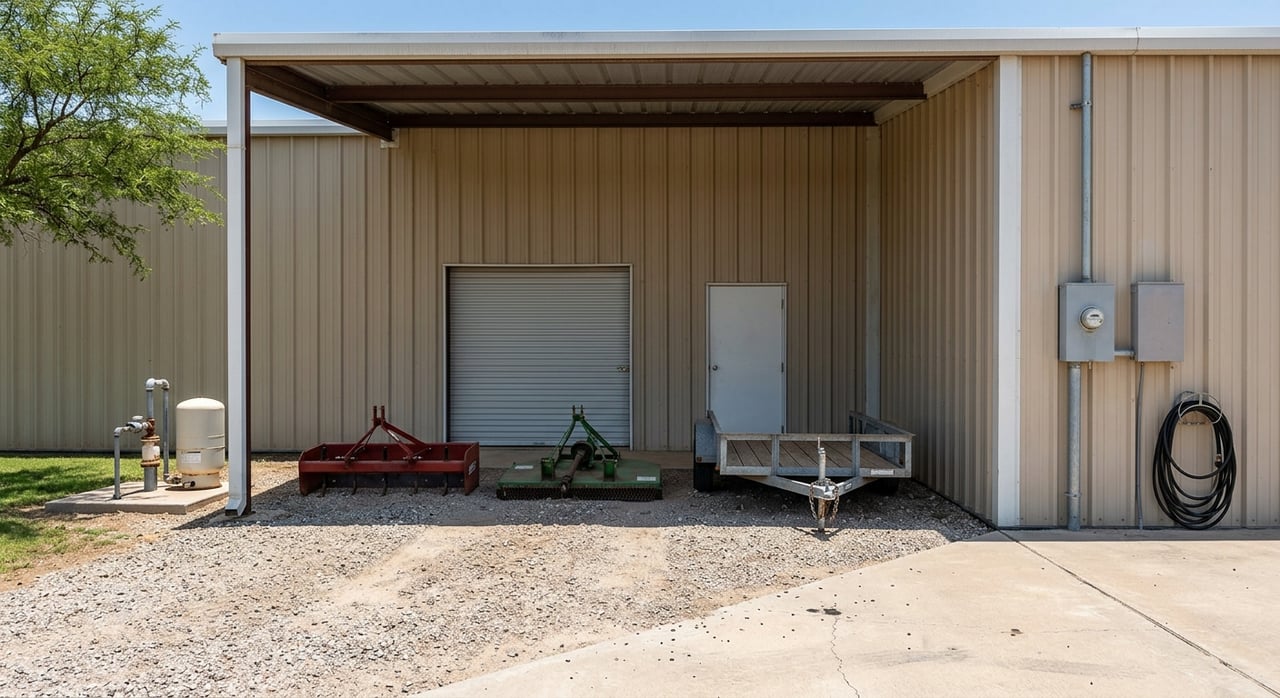
Before photos, showings, or auction day, decide exactly what stays with the property and what does not. That includes land, barns, pens, feeders, fuel tanks, working equipment, and any livestock-related items that may be on-site. If something is visible but not included, it helps to say so early.
This step is especially important in Texas because non-realty items may need to be addressed separately in the sale documents. A clean included-and-excluded list helps reduce confusion, keeps marketing accurate, and gives buyers a better picture of value.
Make a simple property list
Create a written list that separates:
- Land and acreage being sold
- Homes, barns, sheds, and other improvements
- Fixtures that stay with the property
- Equipment or personal property that may be sold separately
- Leased items or reserved rights
- Any rights or interests that are not conveying
If you plan to sell by auction, this list is even more useful. Bidders want clear terms, especially when they are making decisions on a deadline.
Clean up what buyers notice first
A Burkburnett farm does not need to look perfect to sell well. It does need to look cared for, accessible, and safe to inspect. Buyers often judge the property’s overall management by what they see at the gate, along the fence lines, and around the main improvements.
Texas A&M AgriLife materials specifically highlight fences, access points, gates, and debris control as important land-management details. That makes cleanup one of the most practical steps you can take before marketing begins.
Focus on high-visibility areas
Start with the spots buyers will notice right away:
- Entrance roads and approaches
- Gates and gate hardware
- Fence lines near roads and improvements
- Mowed areas around homes, barns, and pens
- Scrap piles, trash, and broken equipment
- Any obvious safety concerns
You do not have to overhaul the entire place. In most cases, cleaning the visible areas and noting repair items goes a long way toward improving first impressions.
Verify the water setup
Water is one of the first questions many rural buyers ask. In this market, they want to know whether the property uses city water, a private well, stock tanks, or a combination of systems. They also want to know whether the system is working and what records are available.
That matters even more with private wells. In Texas, private well water quality is not regulated by the state in the same way public systems are, so owners are responsible for testing and maintaining records. For a buyer or bidder, recent well information can reduce a lot of guesswork.
Gather water records before marketing
If your property uses city utilities, note that clearly. The City of Burkburnett bills water, sewer, garbage, and stormwater together, so if city service is part of the property, include recent utility information.
If your property has a private well, try to gather:
- The well driller’s report
- Well depth, if known
- Pump details
- Service or repair invoices
- Recent water test results
- Any relevant groundwater-district correspondence
If the property has both city water and a well, explain how each one is used. That kind of practical detail helps buyers understand how the farm operates day to day.
Pull septic and wastewater records
If the property has an on-site sewage facility, gather the paperwork before the listing goes live. Texas requires permits for OSSFs, and the approved plan is part of that process. Buyers often ask for this information once they get serious, so having it ready can save time.
A thin file can create delays. A complete file makes the property easier to evaluate and easier to explain.
What to include in your septic file
Your packet should include any available:
- Permit documents
- Approved system plans
- Maintenance or service records
- Inspection notes
- Pump-out history
If records are missing, it still helps to document what you do know. Clear notes are better than vague answers.
Build a strong tax packet
Taxes can shape how buyers view a farm’s carrying cost after closing. In Wichita County, that often means looking closely at current appraised value, tax statements, and any agricultural appraisal history. If the land is receiving productivity appraisal, buyers need to understand that status.
The Wichita Appraisal District notes that agricultural land may qualify for productivity appraisal and that a change in use can lead to recapture tax consequences. That is a key local issue, especially for buyers considering a different future use.
Include current valuation records
A helpful tax packet may include:
- Current appraisal district value
- Recent tax statements
- Exemption history, if applicable
- Agricultural appraisal records
- Notes about current land use
This does not replace a buyer’s own due diligence. It does give them a clearer starting point and helps frame realistic questions early in the process.
Organize title and ownership documents
Title clarity is a major part of farm sale prep. Rural property can involve easements, reserved minerals, grazing arrangements, or other recorded interests that affect how the property is used. If those items are buried or unclear, buyers may price in more risk.
AgriLife landowner materials specifically point to deed records, easements, and surface-versus-mineral ownership as important issues. In Wichita County, the County Clerk is the official recorder for deeds and other instruments, so your seller file should reflect that recorded history as closely as possible.
Key legal records to collect
Try to assemble:
- Deed
- Survey
- Easement documents
- Mineral reservation documents
- Grazing lease records
- Brand or cattle-mark paperwork, if relevant
If there are known access issues, shared drives, or use agreements, put those in writing for the marketing team as well. Buyers usually respond better to a known issue than to a surprise issue.
Prepare disclosure documents early
If the property includes a previously occupied single-family residence, the Texas Seller’s Disclosure Notice may apply. That form helps present known conditions, but it is not a substitute for inspections or warranties. Preparing it early can make the listing process more efficient.
This is another area where being organized helps build trust. Buyers do not expect every rural property to be flawless, but they do appreciate a seller who is ready with clear information.
Take photos after the prep work
Photos should come after cleanup, not before. Once the visible areas are trimmed, gates are working, and the sale terms are clear, you can capture images that match the actual story of the property.
For farms and ranches, wide shots and operational detail shots matter. A buyer wants to see not just the house or barn, but also the fence lines, water setup, approaches, and layout.
Photo priorities for a Burkburnett farm
Focus on:
- Wide views of the acreage
- Entrances and road frontage
- Fence lines and gates
- Water sources and equipment
- Barns, pens, and outbuildings
- Any improvements that are included in the sale
Good photos should support the written description, not create confusion. If an item is shown, the marketing should make clear whether it is included.
MLS listing or auction? Prep helps both
Whether you choose a traditional listing or an auction, the same core prep work pays off. Buyers still want answers about water, access, title, taxes, and improvements. The difference is usually timing and sales strategy, not the need for solid property information.
For a conventional sale, a strong packet can make negotiations cleaner. For an auction, it can increase bidder confidence and reduce last-minute questions that slow momentum.
In a market like Burkburnett, practical detail matters. A property that is easy to understand is often easier to market.
What buyers want answered fast
By the time someone is seriously considering your farm, they are usually trying to answer a short list of questions. If your prep covers these points, you are already ahead:
- What acreage and improvements are included?
- What kind of water service does the property have?
- Are the fences, gates, and access points usable?
- Are there easements, mineral reservations, or lease issues?
- How is the land taxed today?
- Could taxes change if the use changes later?
When those answers are easy to find, your property feels more straightforward. That can help buyers focus on value instead of uncertainty.
Final thoughts on getting ready to sell
Getting a Burkburnett farm ready to sell or auction is really about removing unknowns. Clean up the visible areas, confirm what is included, gather your water and septic records, organize title documents, and build a tax file that reflects the property’s current status. Those steps can make your farm easier to market and easier for buyers to evaluate.
If you want practical guidance on whether your property is a better fit for a traditional listing or an auction, local land experience matters. The team at Williams Realty & Auction Service brings a boots-on-the-ground approach to farms, ranches, and rural property across North-Central Texas. Call to schedule a showing or register to bid.
FAQs
What records should I gather before selling a farm in Burkburnett?
- Start with the deed, survey, easements, mineral documents, tax records, agricultural appraisal records, water records, septic records, and a clear list of what is included in the sale.
Why does water information matter when selling rural property in Burkburnett?
- Buyers often want proof of how the property is served, whether by city water, a private well, or both, and private well records like test results and pump details can help reduce uncertainty.
What should I clean up before listing a Burkburnett farm for sale?
- Focus first on entrances, roads, gates, fence lines, mowed areas around improvements, debris removal, and any visible safety concerns.
How does agricultural appraisal affect a Wichita County farm sale?
- If the land is currently receiving productivity appraisal, buyers may want to understand that tax treatment and the possibility of recapture if the land use changes.
Do I need septic records when selling a farm with an on-site system in Texas?
- Yes, if the property has an OSSF or septic system, it helps to gather permit documents, approved plans, maintenance records, inspection notes, and pump-out history.
Should I choose an auction or a traditional listing for my Burkburnett farm?
- The right approach depends on your timeline, goals, and the property itself, but in either case, strong prep around water, access, title, taxes, and included property helps the sale process run more smoothly.